🔬 The Genesis: Warframe's Humble Beginnings (2012-2013)
The story of Warframe begins not with a bang, but with a determined whisper in the crowded arena of 2012's free-to-play market. Digital Extremes, known for co-developing franchises like Unreal and BioShock, took a colossal risk. Their vision? A cooperative third-person shooter set in a dark sci-fi universe, where players control biomechanical suits of armor called Warframes. The Closed Beta in late 2012 was a bare-bones experience by today's standards: a handful of tilesets (the iconic Grineer Asteroid and Corpus Ship), four initial Warframes (Excalibur, Loki, Mag, and Volt), and a core gameplay loop that felt both novel and unrefined.
What set it apart was its movement. The "parkour 1.0" system, involving slide-jumping and wall-running, offered a fluidity unseen in most loot-based games. The modding system, replacing traditional skill trees, provided immense build diversity even then. Player feedback was not just welcomed; it was ingrained into the development DNA. Community forums buzzed with suggestions, bug reports, and lore theories, directly influencing the game's rapid, bi-weekly updates.
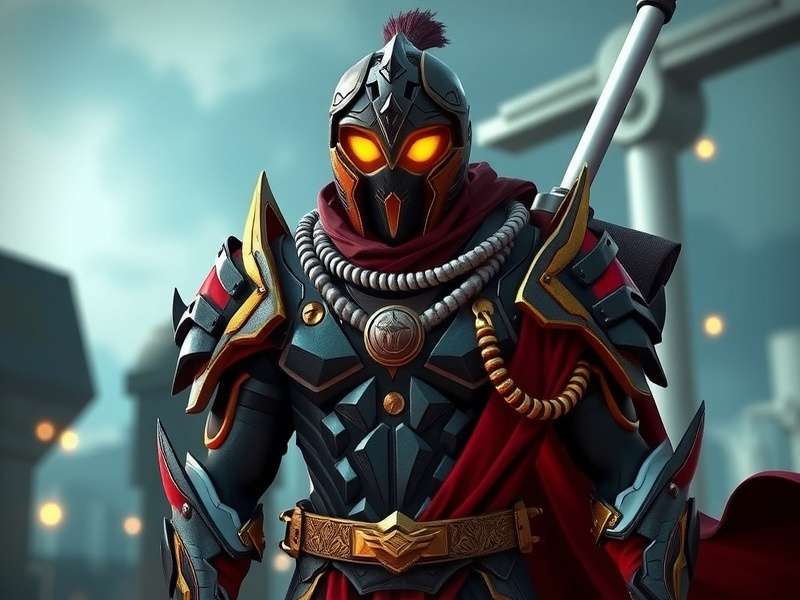
Figure 1: The sparse, atmospheric look of the early Closed Beta. The core parkour and combat were already present.
The Open Beta & The "Soul" of the Game
March 25, 2013, marked Warframe's official release into Open Beta on PC. This wasn't a finished product but a "live development" experiment. The term "Beta" would linger for years, embodying the game's philosophy of perpetual evolution. Updates like Update 7: The Cryotic Front introduced survival missions, while Update 9 brought the sprawling open-world-esque "Dark Sectors," precursor to later clan alliances. The grind was intense, the RNG unforgiving, but a dedicated community—the Tenno—formed. They embraced the jank, celebrated the potential, and provided the fuel for Digital Extremes' relentless drive.
This era was defined by mystery. The lore was deliberately cryptic, scattered in Codex fragments and environmental storytelling. Who were the Tenno? What was the Orokin Empire? This narrative scarcity became a strength, fostering a rich ecosystem of player-created theories and guides. Websites like the Warframe Wiki became essential companions, a collaborative project that mirrored the game's own community-driven development.
⚔️ Evolution of Core Gameplay & Mechanics
Warframe's gameplay is a tapestry woven over a decade. Major systemic overhauls have periodically reinvented the experience, ensuring veteran players always have new depths to master.
Movement 2.0: The Parkour Revolution
Update 17 (2015) wasn't just an update; it was a redefinition of physical space within the game. "Parkour 2.0" replaced stiff wall-runs with fluid bullet jumps, double jumps, and aim-glides. The map became a three-dimensional playground. This change didn't just increase speed; it altered level design, enemy AI, and the very rhythm of combat. Mastering movement became the highest skill ceiling, separating novices from veterans who could navigate entire tilesets without touching the floor.
The Modding Metamorphosis
The mod system has seen multiple iterations. Early "polarity matching" was simplified, then expanded with Exilus slots, Aura/Stance mods, and the game-changing Mods 2.0 which introduced Endo as a fusion core replacement. The introduction of Primed, Galvanized, and mods from open worlds created intricate build-crafting layers. Today, a player's knowledge of mod synergies—like combining Condition Overload with viral status—is more critical than the weapon itself. For advanced warframe game modifications, the community has developed incredibly nuanced builds.
💡 Veteran Insight: "The shift from 'Serration or bust' to a world where Galvanized Aptitude and Merciless arcanes define the meta shows how build diversity exploded. You're not just modding for damage anymore; you're engineering a gameplay loop." - [Senior Tenno Council Member]
From Co-op to Shared World
While always multiplayer, Warframe's shift towards a persistent shared world began with Relays and peaked with Open Zones. The warframe gameplay multiplayer pc experience evolved from 4-player squads in isolated missions to seeing dozens of Tenno in Cetus or Fortuna, participating in synchronized events like Eidolon hunts or Profit-Taker heists. This fostered a new level of community coordination and specialization.
🗺️ Era-Defining Major Updates: A Chronological Deep Dive
Warframe's history is best told through its monumental updates, each acting as a season finale and series premiere combined.
Update 14: The Second Dream (2015) – The Narrative Bomb
This is the update that changed everything. It answered the core mystery of the Tenno with a story twist that resonated emotionally. Introducing the Operator, the focus system, and the stunning cinematic quest format, The Second Dream proved Warframe could deliver narrative punches on par with AAA titles. It wasn't just content; it was a genre-defining moment for live-service games.
Update 22: Plains of Eidolon (2017) – The First Open World
A gamble of epic proportions. Moving from corridor shooting to a vast, day-night cycle plain on Earth. It introduced fishing, mining, a new faction (The Ostrons), and towering world bosses (Eidolons). It redefined grinding and set the template for Fortuna and Deimos. Checking the warframe game requirements became crucial as the game's scope expanded graphically.
Update 25: The Fortuna & Railjack Era (2018-2020)
The Corpus open world, with its deeper cyberpunk themes and iconic introductory song "We All Lift Together," showcased DE's audio-visual mastery. Soon after, Empyrean (Railjack) promised seamless space-to-ground combat. While its initial launch was rocky, iterative updates refined it into a unique cooperative starship experience, crucial for the warframe gameplay 2025 meta involving Corpus Railjack missions.
For players looking to experience this journey from the start, many seek the definitive warframe game for pc experience, which has always been the primary and most updated platform.
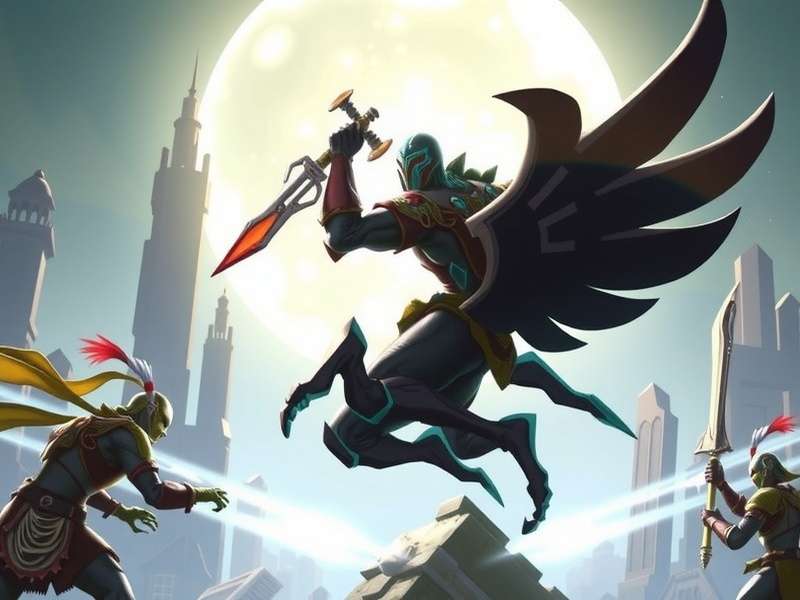
Figure 2: The Duviri Paradox introduced roguelike elements and a stark, philosophical aesthetic.
Update 32: The Duviri Paradox (2023) – The Roguelike Reinvention
The latest major evolution. Duviri isn't just a new zone; it's an entirely alternate gameplay loop—a roguelike within a looter-shooter. Playing as the Drifter with randomized decrees (power-ups) each run, it appeals to both new players (as a standalone starting point) and veterans seeking fresh challenge. It represents Warframe's confidence in its identity: unafraid to cannibalize its own formula to stay innovative. The warframe gameplay trailers for Duviri were masterpieces in surreal, psychological horror.
The aesthetic of Duviri has also sparked conversations about an anime warframe game spinoff, given its stylized, dramatic visuals.
👥 The Tenno Collective: How the Community Shaped Evolution
The relationship between Digital Extremes and its players is the most critical "feature" never listed in a patch note. Developer-Streams (Devstreams), held every two weeks, are a transparent look into the studio's process. Players vote on cosmetic designs, provide feedback on experimental features in the "Experimental Branch," and their collective data (like least-used Warframes) directly prompts reworks.
Community events have had permanent impacts. The "Gradivus Dilemma" event determined which faction invaded Mars. The "Project: Red Text" community charity drive. This symbiosis is Warframe's true endgame.
🔗 Explore More Warframe Deep Dives
🔭 The Future: Whispers in the Void (2025 and Beyond)
As we look to 2025 and beyond, data-mined hints and Devstream teasers point to several frontiers. The long-anticipated "K Engine" graphics overhaul promises to modernize the decade-old visuals. Narrative threads point towards the Man in the Wall as the ultimate antagonist, potentially tying together the Origin System, Duviri, and the Zariman Ten Zero into a cataclysmic conclusion.
The core philosophy, however, will remain: constant evolution. Warframe will continue to absorb new genres, experiment with mechanics, and trust its community to guide its path. It stands not just as a game, but as a testament to what live-service development can achieve with passion, transparency, and a fearless commitment to change.
This guide is a living document. As the game evolves, so will our analysis. Check back for updates, Tenno.